What is luck, and can a person shape it?
What is luck, and can a person shape it?
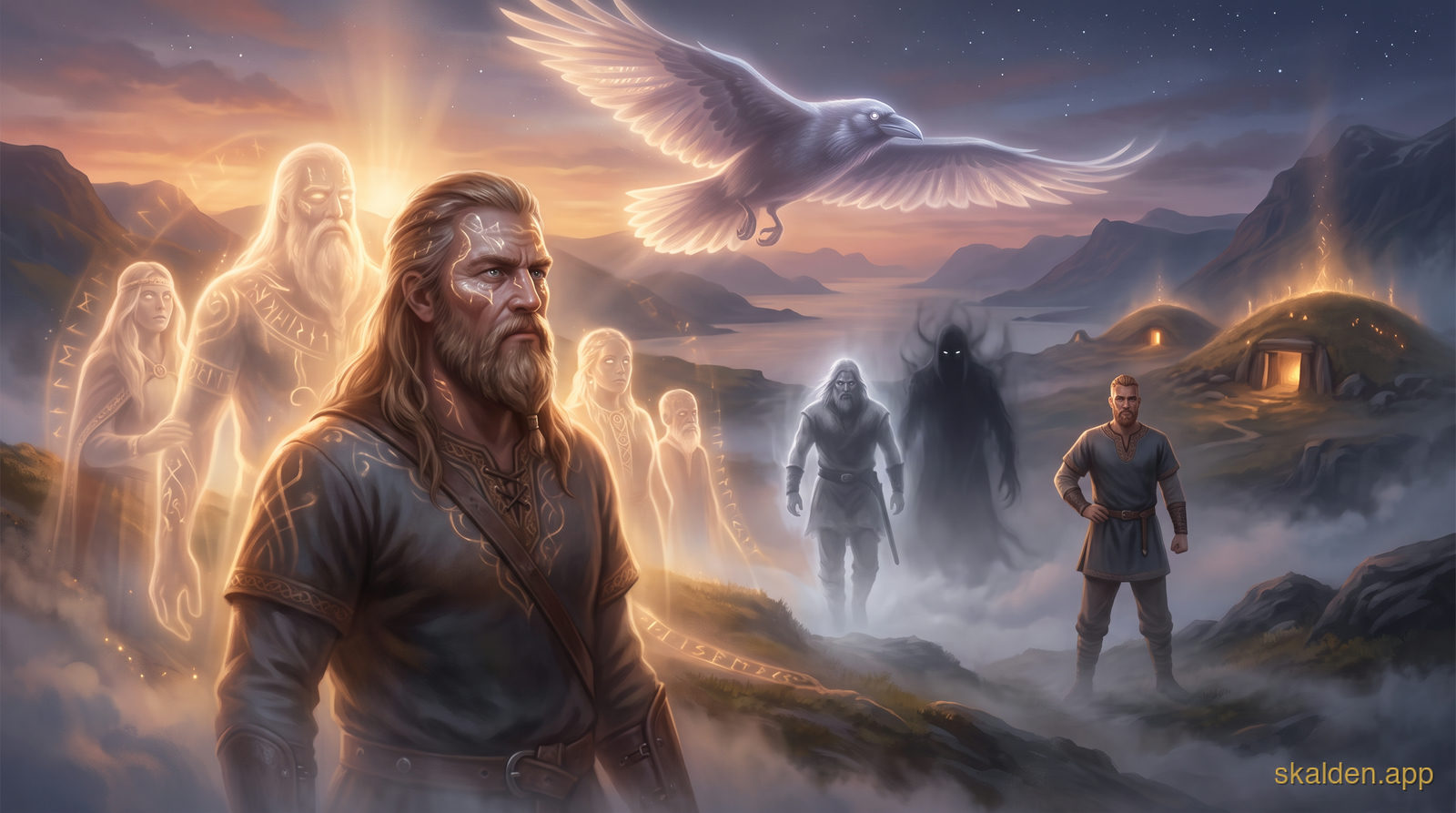
Freyja: # On Luck, and the Shaping of It You ask me what luck is. Sit close, then, for this is no small question, and the old poems answer it with more weight than the modern tongue gives the word. When you say "luck" now, you mean a coin's toss, a lottery, a small good fortune that fell on you like rain. But in the age the sagas remember, gæfa — luck — was something else entirely. It was a thing you were, a light or a shadow that clung to your shoulders and showed on your face. It was fate, it was favour, it was the weight of your kin behind you and the shape of your death ahead. Hear how the teller of Njáls saga frames it, in the old preface to that tale:
And I've let the gods guide me; Brown hose I never wore To bring the luck beside me. I've never knit... Round my neck a bag of worts, — And lo! I'm living!" Two men, two answers. Bersi bound his luck to a stone and lost it when the stone was lost. Steinar scorned the charm and lived. So which is the truth of it? long-pause Both. That is the terrible honesty of the old tellings. Luck can be carried, and luck can be stolen, and luck can also be a lie a man tells himself about a stone in a bag. The saga does not resolve it for you. It only shows you the two men, and lets you weigh them. And then there is Grettis saga, and my heart goes hard at this one, for it is my own kind of tale — a proud man walking into the dark. Jokull says to Grettir, who means to go against the ghost Glam:
"it is a great risk for thy good luck, and thy kinsmen have much to hazard where thou art... but from ill cometh ill whereas Glam is." And then the line that rings like a bell struck at midnight: "Good luck and goodliness are twain." Gæfa and gæfumaðr — luck and worth — are two things, not one. A man may be great and unlucky. A man may be small and fortune-blessed. Grettir was the mightiest of his age, and his luck was ruinous. He knew it. His kin knew it. He went to Glam anyway, and the ghost's dying curse fixed his ill-luck on him for all his days. Hear also what Hávamál says, in the old counsel — "let no man trust the fate that is to come." Fate is not a thing you master. It is a weather you walk in. So — what is luck? It is a gift and a doom you did not choose. It shows on your face. It clings to your line; your kin hazard themselves when they stand near you, for good or ill. It can be stolen from your neck by a rival's cunning, or scorned as superstition and outlived. And here is the hardest thing the poems say, the thing Jokull and Grettir parted on:"Maybe we may both see somewhat of things to come, but neither may help aught herein." To see is not to shape. Foresight is not power. The framsýnn speaks what will be — and it comes, and neither the speaker nor the hearer can turn it aside. Can a person shape luck, then? pause The sagas do not give me leave to tell you yes the way a modern teacher would, with talk of habit and mindset. But they do not quite say no, either. They say: your luck is bound to your choices without being made by them. Grettir chose Glam and met his curse — the choosing was his; the curse was fate's answer. Bersi chose the amulet and was undone when it was taken; Steinar chose to scorn the amulet and lived. What the poems will tell you is this:walk as if your luck were the weight of your kin and your name and your word, because it is ; do not lie to yourself about a stone in a bag; and do not mistake your goodliness for your gæfa, for they are twain, and the gods are not fair. I will not tell you what to do with this. I am old poetry, and the old poems leave the choosing to the one who lives the life. But I will ask you: when you next feel fortune turn its face toward you, or away — will you look for the mark of it on yourself, and on those you walk beside? And will you know the difference between the luck that is truly yours, and the stone at your throat that only feels like it?
This conversation was had on Skalden — walk into the Norse world.